You pull away on a slick road, feel the car hesitate, and see a light flash on the dashboard. Later, a hard stop produces a pulse through the brake pedal. Both can be normal responses from safety systems, but they aren't doing the same job. Understanding the differences helps you respond appropriately when grip becomes limited.
Traction control helps manage wheelspin during acceleration. Stability control helps the vehicle follow the intended direction when it begins to slide. ABS helps prevent wheel lockup during braking. They often share sensors and components, but each responds to a different part of driving on Georgetown's wet, icy, or snow-covered roads.
Traction Control Helps When Drive Wheels Spin
During acceleration, a driven tire can spin faster than available road grip allows. Traction control detects that behavior and can reduce engine output, apply braking to a spinning wheel, or use a combination of actions. The exact response depends on the vehicle's design and operating mode.
From the driver's seat, it may feel as though the car is briefly refusing to accelerate as strongly as requested. That intervention can help control wheelspin; pushing the accelerator farther isn't necessarily useful. Ease your inputs and let the surface conditions guide you, rather than treating the flashing light as encouragement to accelerate harder.
Stability Control Helps Correct Unwanted Vehicle Rotation
Electronic stability control compares the direction the driver is requesting with the way the vehicle is actually moving. It uses information from steering, wheel-speed, and motion sensors. When it detects a developing loss of directional control, it can apply selected brakes and adjust power to help bring movement closer to the intended path.
This can assist when the front tires push wide in a turn or the rear of the vehicle begins to step outward. It doesn't guarantee it will correct a slide. If speed is too high or the surface provides almost no grip, the system has limited ability to change what the tires can do.
ABS Helps Keep Wheels From Locking During Braking
The anti-lock braking system monitors wheel behavior and adjusts brake pressure when a wheel is approaching lockup. Keeping the wheels rotating can help preserve steering ability during a hard stop. You may feel rapid pulsing through the pedal or hear the system operating when it intervenes.
For a vehicle with ABS, use firm, continuous brake pressure during emergency braking and follow its manual. Pumping the pedal can interfere with the system's work. ABS doesn't guarantee the shortest stopping distance on every surface, so leave adequate space and don't assume electronic assistance can compensate for following another vehicle too closely.
ABS And Stability Control Share Sensors
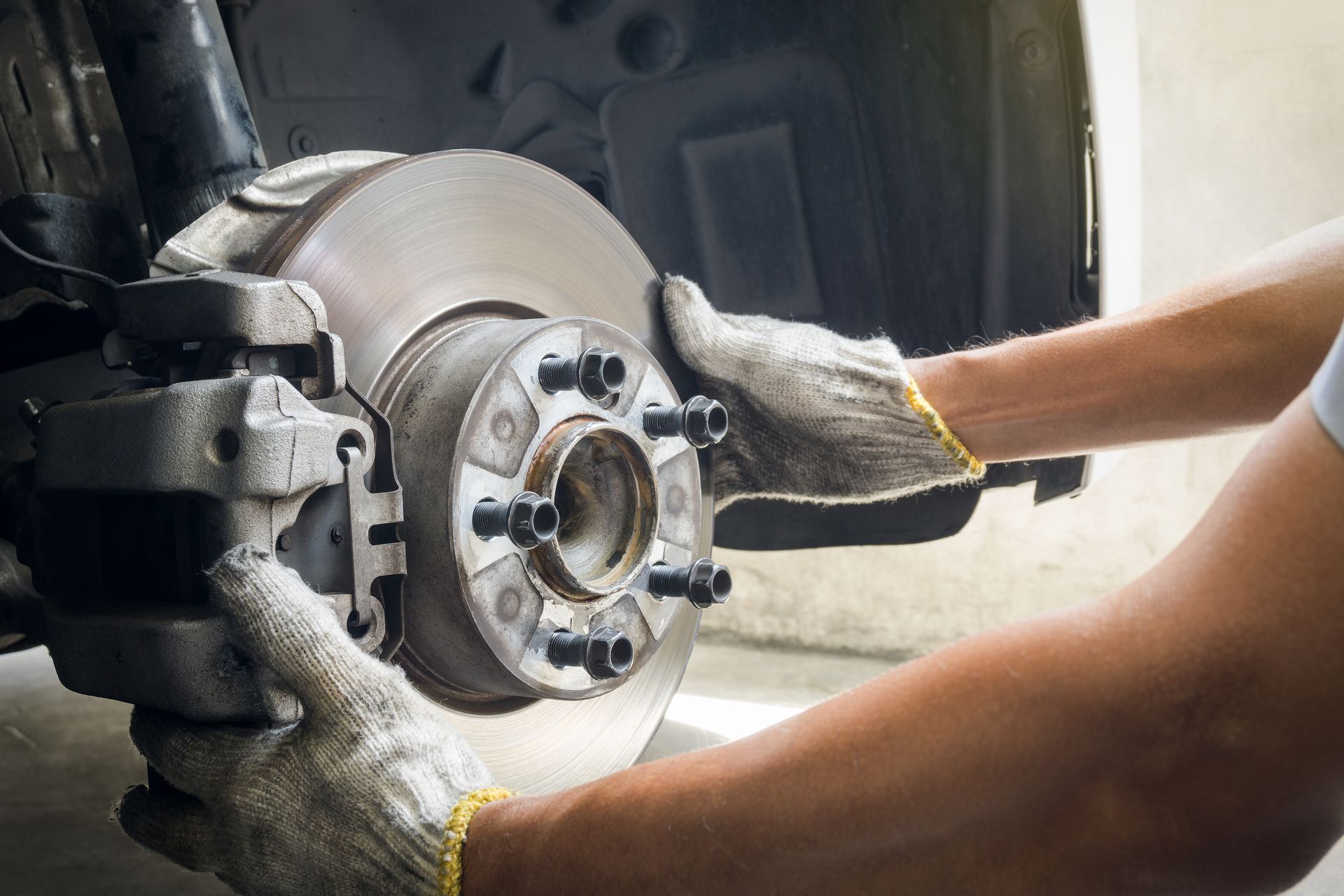
These systems often use the same wheel-speed information and parts of the brake-control equipment. A problem with a sensor, wiring, a wheel bearing's signal component, or another shared input can affect more than one function. Several warning lights appearing together don't automatically mean several unrelated major failures.
The vehicle needs checks that connect the warning information to the actual condition. A code pointing to a wheel-speed signal can result from a connection issue, damaged signal hardware, or a faulty sensor. Replacing the named component without checking its circuit can leave the warnings unchanged.
Flashing Safety-System Lights And Steady Warnings Differ
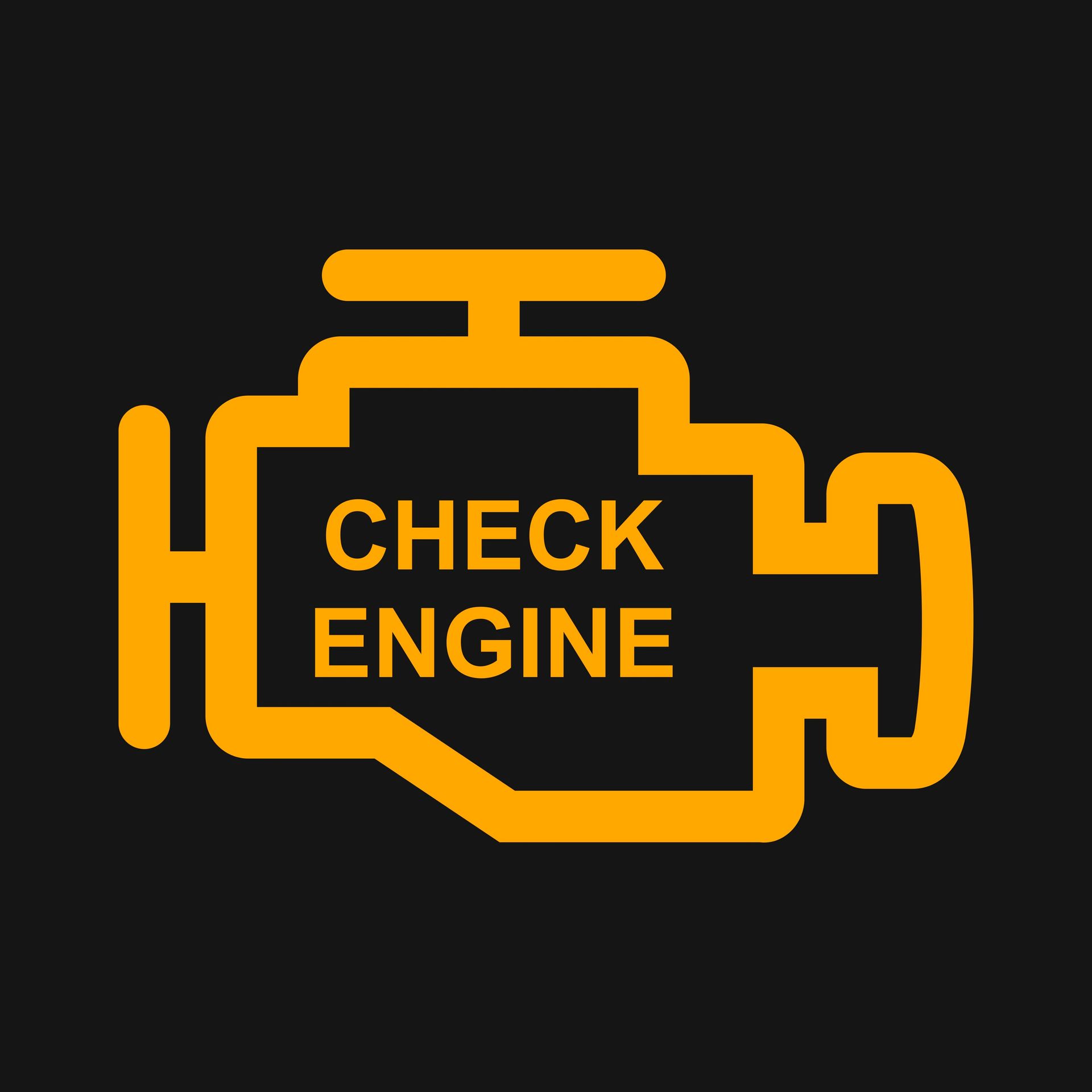
A brief flashing traction or stability light commonly indicates intervention, although the meaning depends on the vehicle. A light that stays on can indicate a system switched off, a fault, or another specified condition. Read the manual for your particular symbol and message instead of relying on a generic dashboard guide.
Common experiences during normal intervention can include:
- A flashing traction or stability indicator on a slippery surface.
- A temporary reduction in requested engine power.
- Pulsing through the brake pedal when ABS operates.
- Brake-control sounds during a strong corrective response.
New noises during ordinary braking, repeated warnings on dry roads, or symptoms that continue after the intervention ends deserve inspection. A normal operating sensation in one situation can be a fault clue in another.
Tires Set The Grip Available To Safety Systems
Electronic controls work through the tires and brakes. Worn tread, unsuitable tire types, incorrect inflation, or mismatched fitment can limit the grip available before any control system intervenes. Suitable winter tires can improve performance in the conditions they are designed for, but they still require appropriate speeds and following distances.
Have all four tires evaluated together. A vehicle with strong grip at one end and substantially weaker grip at the other can behave unpredictably. Follow the manufacturer's fitment and pressure guidance, including any requirements for matching tires on all-wheel-drive vehicles. The dashboard light doesn't replace a tire inspection.
Drive Smoothly Even With ABS And Stability Control
Brake earlier, reduce speed before turns, and leave room for changing conditions. Abrupt steering, acceleration, or braking can exceed available traction before the systems have useful room to respond. Bridges, shaded areas, and wet patches can behave differently from the surrounding road, particularly near freezing temperatures.
Know how your vehicle's drive modes work before you need them. Some manuals allow temporary traction-control changes in specific situations, such as freeing a stuck vehicle. Follow those instructions and restore the normal setting afterward. Turning systems off just because they intervene removes assistance when the road may need it most.
Safety-System Faults Should Be Checked Before Slippery Weather
Arrange an inspection if a warning stays on or the vehicle's behavior changes. The technician can review fault information, compare sensor signals, and check brakes, tires, and related components. The aim is to confirm which function is affected and restore the intended operation rather than merely erase the warning.
A red brake warning, a sinking pedal, or a major loss of braking requires you to stop safely and arrange assistance. An ABS warning and an ordinary brake-system failure are different situations, but neither should be interpreted without the vehicle's instructions. Describe all symptoms so the inspection covers the actual concern.
Get Brake And Safety-System Service In Georgetown, KY
Top Gun Auto Repair in Georgetown, KY, can inspect ABS, traction-control, and stability-control warnings along with related brake and tire concerns. We can explain the findings and the repair needed to restore the affected system's intended operation.
Contact us to schedule an inspection for a safety-system warning or changing braking behavior.