A water pump leak can start out looking like nothing, then turn into a steady drip that forces your hand. The pump is constantly moving coolant, so it lives under pressure and heat every time the engine runs. When it starts leaking, it is a sign that a seal, bearing, or surrounding component has failed.
The key is figuring out why it started and how urgent it is.
How A Water Pump Is Built And Where It Leaks
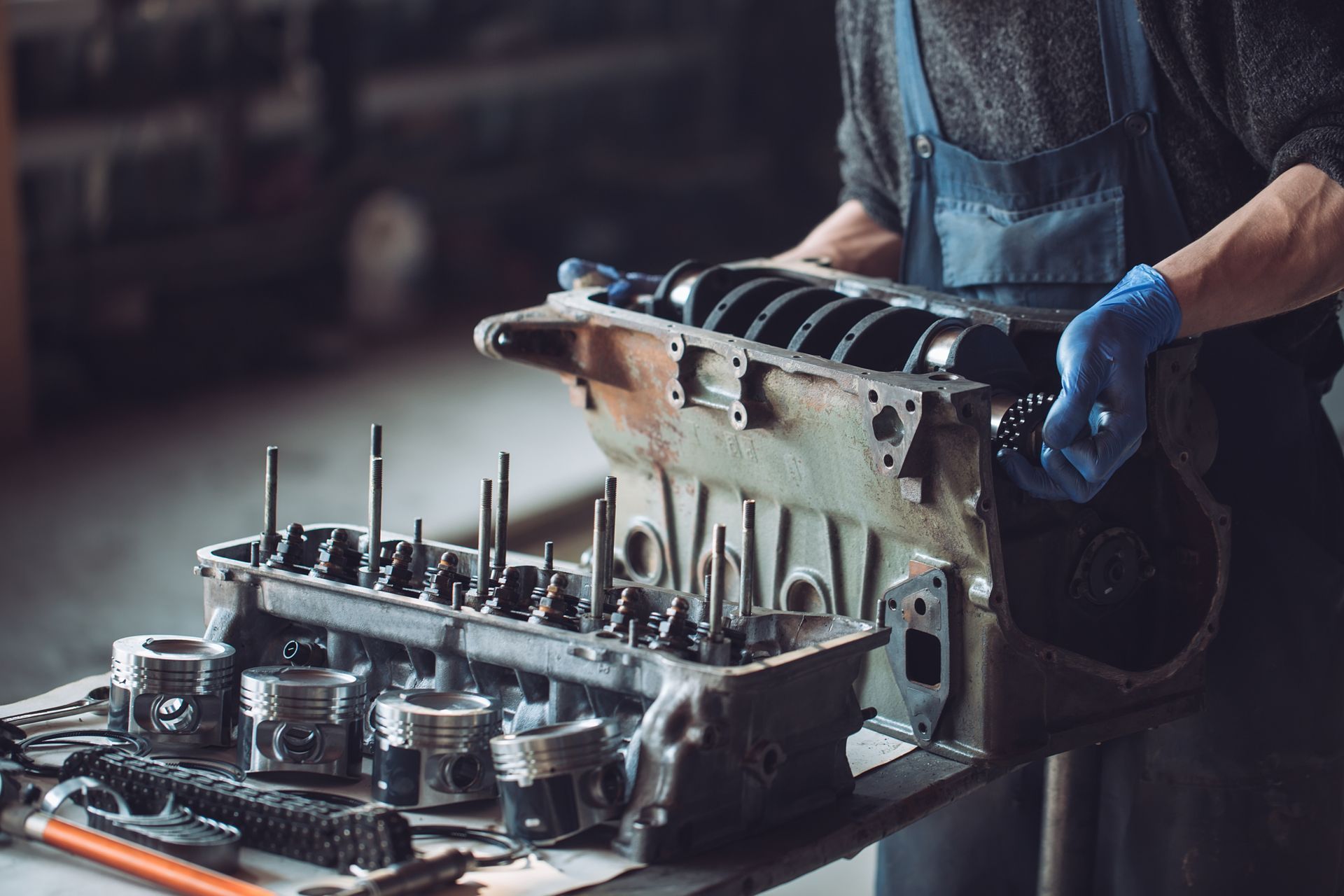
Most water pumps have a housing, an impeller that moves coolant, and a shaft supported by a bearing. A seal around that shaft keeps coolant inside while the shaft spins. Over time, the seal can wear and allow coolant to escape.
Many pumps also have a weep hole. That hole is designed to let coolant escape in a controlled way when the internal seal begins to fail, rather than forcing coolant into the bearing. If you see coolant traces around the pump area and the leak seems to come and go, the weep hole is a common source.
Seal Wear From Heat Cycling And Age
The most common cause is simple aging. Heat cycles make seals harden and lose elasticity. Coolant chemistry also matters. Old coolant can become more corrosive, which can shorten seal life and cause pitting at sealing surfaces.
If a vehicle has been running with low coolant, the pump may also run hotter than it should. Heat is rough on seals. That is why a small leak can accelerate once the system starts running low and hot more often.
Bearing Wear And Shaft Movement
A water pump bearing can wear out, and once the shaft has some excessive play, the seal can no longer hold coolant properly. This often shows up as a leak that gets worse over time. You may also hear a growl or grinding sound near the front of the engine, especially when the engine is running at idle.
If the bearing is failing, the pulley can wobble slightly. That movement stresses belts and can create noise. When the bearing goes far enough, it can lead to sudden failure, which is why we take bearing noise seriously during an inspection.
Pressure Issues And Overstress
Cooling systems run under pressure to raise the boiling point and keep the temperature stable. If the cap is not holding the correct pressure, or if there is a problem that causes pressure spikes, leaks can appear sooner. Hoses and pumps are designed for normal pressure ranges, not repeated extremes.
Sometimes pressure issues are the result of a partially restricted radiator or circulation problem. When coolant cannot move and cool properly, heat increases system pressure. That can push weak seals over the edge, including the pump seal.
Coolant Contamination And Corrosion
Coolant that is old or mixed incorrectly can contribute to leaks. Corrosion can roughen sealing surfaces and create small pathways for seepage. Scale and debris can also damage seals over time.
This is one reason regular maintenance helps cooling systems last longer. Keeping coolant in good condition protects the pump, radiator, and heater core. It also helps the thermostat and fans do their job without the system running hotter than necessary.
Installation And Gasket Surface Issues
If the leak started soon after recent cooling system work, installation factors should be considered. A pinched gasket, an improperly cleaned sealing surface, or the wrong sealant can cause seepage. This does not necessarily mean the pump was bad, because the seal between components is not holding perfectly.
We also see leaks caused by overtightening or uneven tightening patterns. A small warp or misalignment at the mounting surface can lead to a leak that shows up under pressure. Confirming the source matters because replacing a pump will not solve a leak that is really coming from a nearby hose or housing seam.
Signs Your Water Pump Leak Is Getting Worse
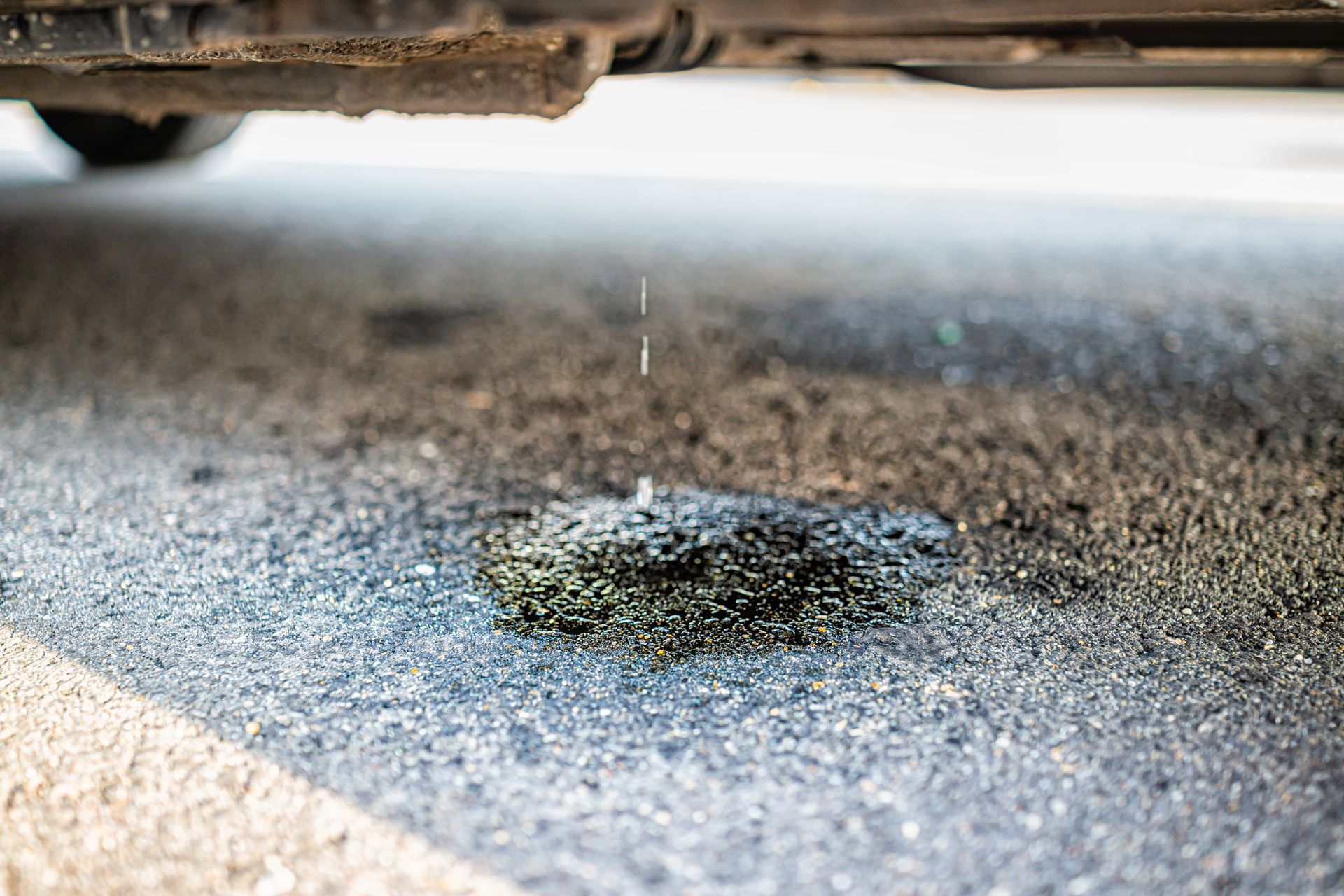
Some leaks are slow and controlled at first, then increase. If you are topping off coolant repeatedly, seeing puddles under the front of the engine, or noticing a sweet smell after every drive, the leak is likely progressing. If the temperature gauge starts creeping up in traffic, treat that as a sign to stop delaying.
Also pay attention to noises. A pump bearing that is starting to fail can be louder when the engine is cold and then change as it warms up. If you hear a new grinding or growling sound from the belt area along with a leak, that is a strong hint that the pump is nearing the end of its life.
How We Confirm The Leak Source
We start by inspecting the pump area for fresh coolant traces and dried residue. Then we pressure test the cooling system to see where coolant escapes under controlled pressure. We also check the cap, hoses, and nearby fittings because coolant can travel and drip from the wrong spot.
Once the source is confirmed, the repair plan is straightforward. If the pump is leaking from the weep hole or shaft seal, replacement is usually the correct fix. If the leak is from a gasket surface or nearby component, we address that instead. The goal is to fix it once and keep the system stable.
Get Water Pump Leak Repair In Georgetown, KY, With Top Gun Auto Repair
Top Gun Auto Repair in Georgetown, KY, can pinpoint why your water pump is leaking, pressure test the system, and recommend the right repair before coolant loss turns into overheating.
Schedule an inspection and get a clear fix plan.