As summer temperatures rise, so does the strain on your car’s battery. While winter is often blamed for dead batteries, the heat of summer can be just as detrimental to battery health. Understanding why batteries fail in summer and following proper maintenance tips can help keep your car, SUV, or truck reliable all season long.
Why Do Car Batteries Die in the Summer?
Many drivers are surprised to learn that high temperatures can be more harmful to car batteries than the cold. Here's why:
Heat Increases Chemical Activity: Car batteries generate electricity through a chemical reaction. Higher temperatures accelerate these reactions, leading to quicker evaporation of the battery’s electrolyte fluid. This loss of fluid can cause internal damage to the battery, reducing its lifespan.
Increased Electrical Load: During summer, drivers often use air conditioning, GPS, and other electronic devices more frequently. This additional load can overwork the battery, leading to a higher risk of failure.
Vibration Damage: Summer road trips often involve long drives on various terrains. Constant vibration can loosen or damage battery connections and internal components.
Summer Battery Maintenance Tips
To ensure your car’s battery remains reliable throughout the summer, consider these essential maintenance tips:
- Regular Inspections: Periodically inspect your battery for signs of wear and tear. Look for corrosion on the terminals, cracks in the case, or any fluid leakage. Cleaning any corrosion with a mixture of baking soda and water can prevent electrical issues.
- Check the Fluid Levels: If your battery is not sealed, check the fluid levels regularly. The fluid should cover the lead plates inside the battery. If the levels are low, top them off with distilled water. Never use tap water, as it contains minerals that can damage the battery.
- Keep It Cool: Parking your car in a shaded area or garage can help reduce the battery’s exposure to extreme heat. Using a car cover can also protect your vehicle from the sun’s rays.
- Secure the Battery: Ensure your battery is properly mounted and secured. Loose batteries can vibrate excessively, leading to internal damage. If you’re unsure about the mounting, have a professional check it for you.
- Limit Short Trips: Frequent short trips don’t give the battery enough time to recharge fully. Try to combine errands to reduce the number of times you start your car, giving the battery a chance to regain its charge.
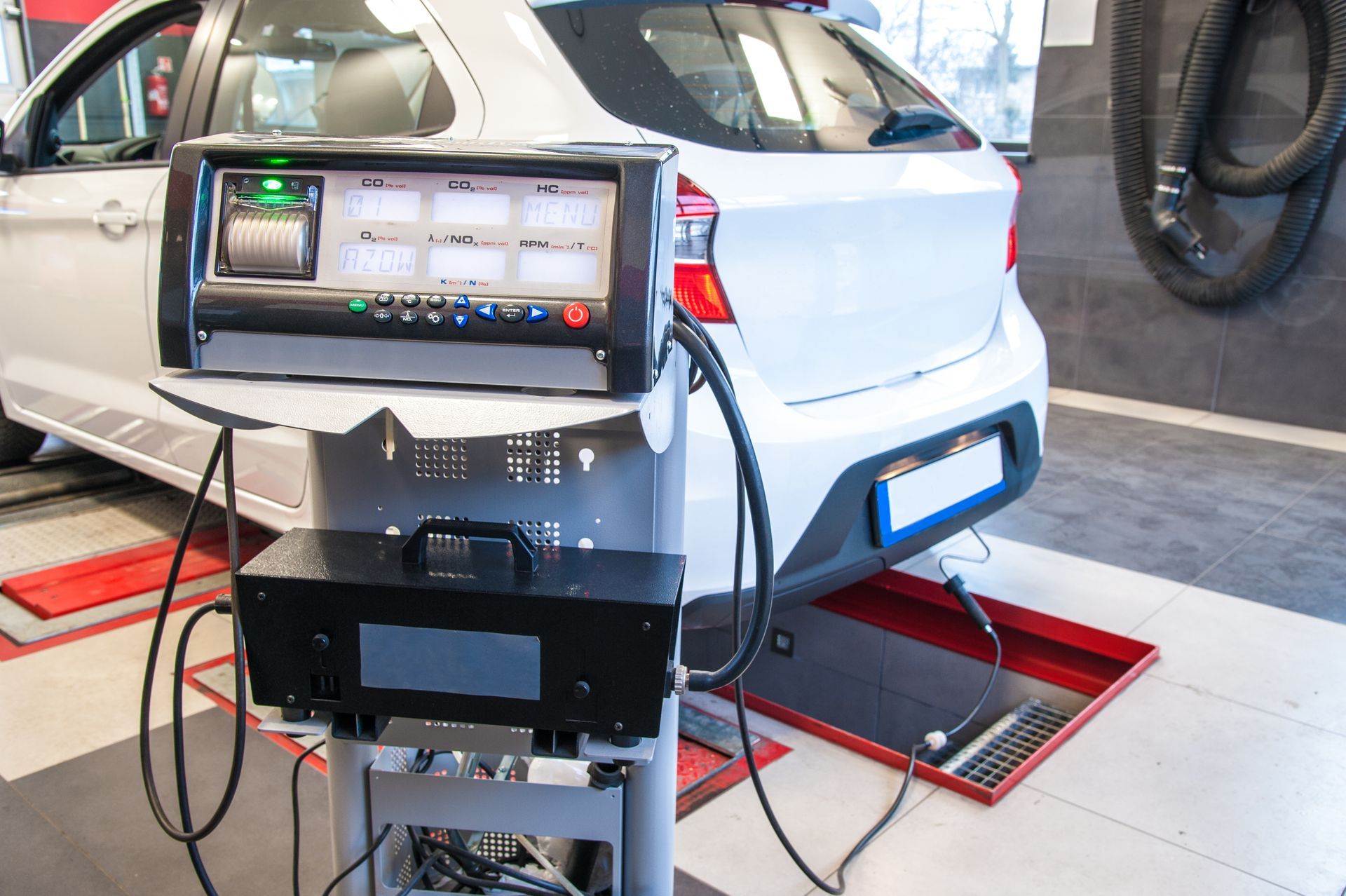
- Test the Battery: Regularly testing your battery can help you gauge its condition. Most auto repair shops offer battery testing services that can predict potential failures before they happen. A battery that doesn’t hold a charge well should be replaced to avoid getting stranded.
- Turn Off Electronics: Before shutting off your car, make sure all electronics, including the radio, air conditioning, and lights, are turned off. This prevents unnecessary drain on the battery when you start your car again.
- Use a Battery Charger: If you don’t drive your car often during the summer, consider using a battery maintainer or trickle charger. These devices keep your battery at an optimal charge level without overcharging it.
How to Recognize the Signs of a Failing Battery
Even with proper maintenance, it’s crucial to recognize the signs of a failing battery. Symptoms include:
- Slow Engine Crank
- Dim Lights
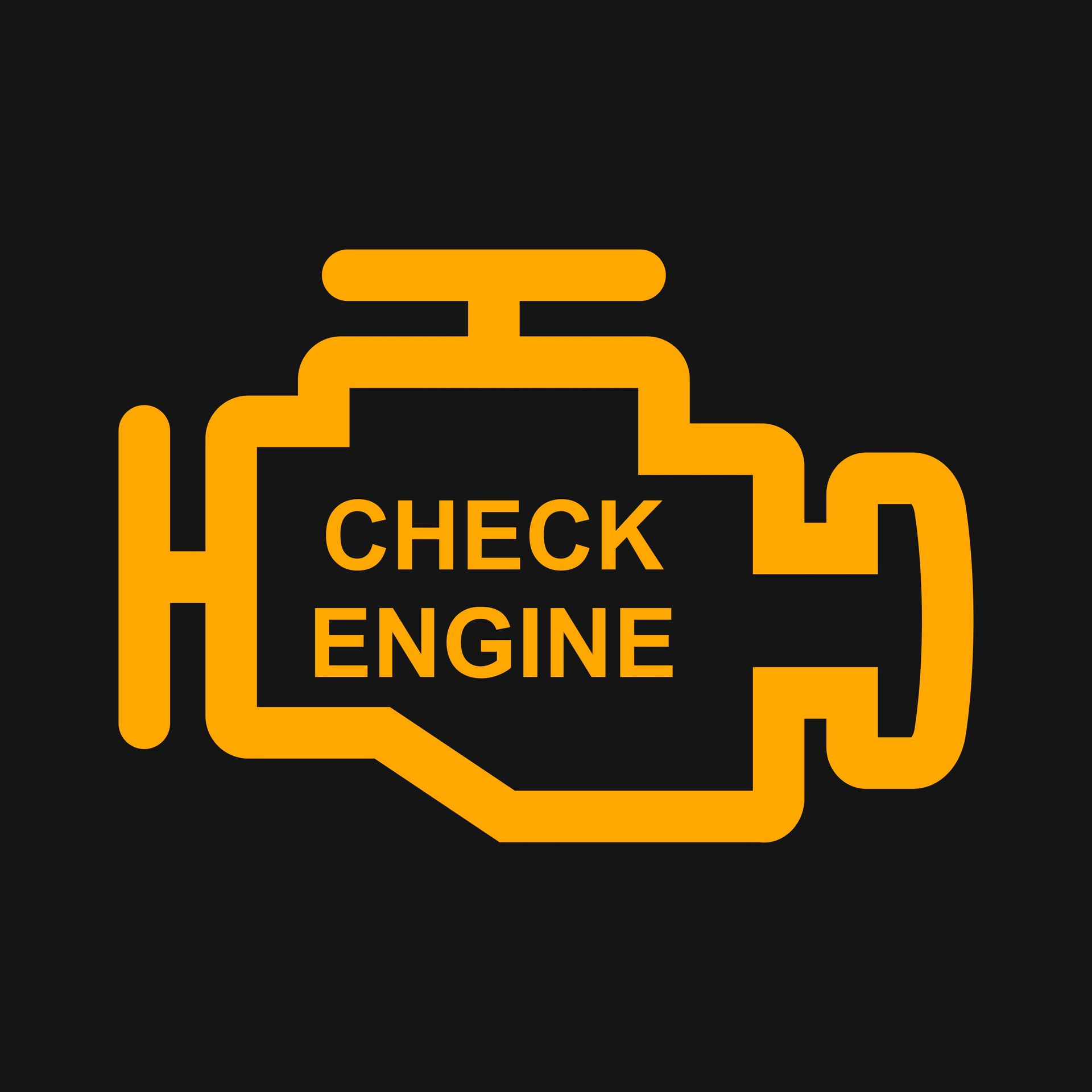
- Battery Warning Light
- Electrical Issues
When to Replace Your Battery
Despite your best efforts, all car batteries eventually wear out. Most batteries last between 3 to 5 years, depending on usage and conditions. If your battery is approaching this age range or showing signs of failure, it’s wise to replace it before it leaves you stranded.
Visit
Top Gun Auto Repair in Georgetown, KY, for a thorough battery check and maintenance service. Our experienced technicians will ensure your battery is in top condition, keeping you safe and on the road all season long. Schedule your appointment today!