It’s a fair question, especially if you don’t drive much. You look at the dipstick, the oil level is fine, and the car seems to run normally, so it’s easy to wonder if an oil change is really needed when the vehicle mostly sits. The short answer is yes, oil can degrade with time even if the mileage stays low.
It’s not because the oil suddenly turns to sludge overnight, but because time, moisture, and chemistry keep working in the background.
Why Time Can Age Oil Even Without Miles
Oil isn’t just lubrication, it’s also a cleaning and protection package. It carries additives that fight corrosion, suspend contaminants, and help manage heat. Over time, those additives get used up. And even if the engine isn’t racking up miles, it’s still experiencing temperature swings, condensation, and short run cycles that can contaminate the oil.
If your car sits for long stretches, it can also collect moisture in the crankcase. That moisture can form from condensation, especially when the engine cools down and the air inside contracts. The next time you start the car, that moisture mixes with oil until it’s driven off by heat. If the engine never gets fully hot for long enough, the moisture doesn’t fully leave.
Short Trips Are Often Harder On Oil Than Highway Miles
This surprises a lot of people. A car that does frequent short trips can be harder on oil than a car that racks up steady highway mileage. Short trips can cause fuel dilution and moisture in the oil because the engine doesn’t stay hot long enough to evaporate them. Over time, that mix can thin the oil and reduce its protective ability.
If you mainly drive a couple of miles at a time, or you start the car and shut it off shortly after, you’re in the category where time-based oil changes make sense even if the odometer barely moved.
What Happens To Oil While A Car Sits
When a vehicle sits, oil drains back to the pan. That’s normal. But the oil film on internal parts can become thinner over time, and any moisture in the system can contribute to corrosion on exposed metal surfaces. Additives help protect against this, but they’re not unlimited.
You may also see the oil darken even with low miles. Dark oil by itself is not a disaster, it often means the oil is doing its job cleaning. But if the oil looks milky, foamy, or has a sharp fuel smell, those are clues that the oil has been contaminated by moisture or fuel.
How Long Is Too Long Between Oil Changes
There isn’t one perfect answer for every car, but most manufacturers include both a mileage interval and a time interval for a reason. If you hit the time interval first, it still counts. A common recommendation is changing oil at least once a year even with low mileage, but some driving patterns, like frequent short trips, can justify doing it sooner.
If you’re not sure what applies to your vehicle, check the owner’s manual schedule, then consider your usage. A car that sits for weeks at a time and then runs short errands is different from one that sits but occasionally runs a long highway run.
Signs Your Driving Pattern Is Aging Oil Faster
You don’t need to overthink it, but a few patterns suggest time is doing more damage than miles:
- Mostly short trips with little time at full operating temperature
- Long periods of sitting between drives
- Frequent idling and warm-ups without much actual driving
- Noticeable fuel smell on the dipstick
- Milky residue under the oil cap
None of these automatically means engine damage; they just mean your oil is likely seeing more contamination than the odometer suggests.
Owner Mistakes That Lead To Premature Engine Wear
One mistake is waiting for the oil change reminder as the only guide. Those systems estimate based on usage, but they’re still estimates, and they can’t always account for storage, condensation cycles, or unusual short-trip patterns.
Another mistake is starting the car occasionally just to let it idle for a few minutes. That can actually add moisture and fuel to the oil without driving long enough to burn it off. If you’re trying to keep a car healthy during storage, a better approach is taking it for a longer drive when conditions allow, so everything gets hot enough to clear moisture.
A Practical Plan If Your Car Sits A Lot
If you drive infrequently, aim for a time-based oil change schedule and make sure the oil you use meets the proper spec for your engine. If you can, take the car for a longer drive periodically so it reaches full operating temperature and stays there long enough to drive off moisture.
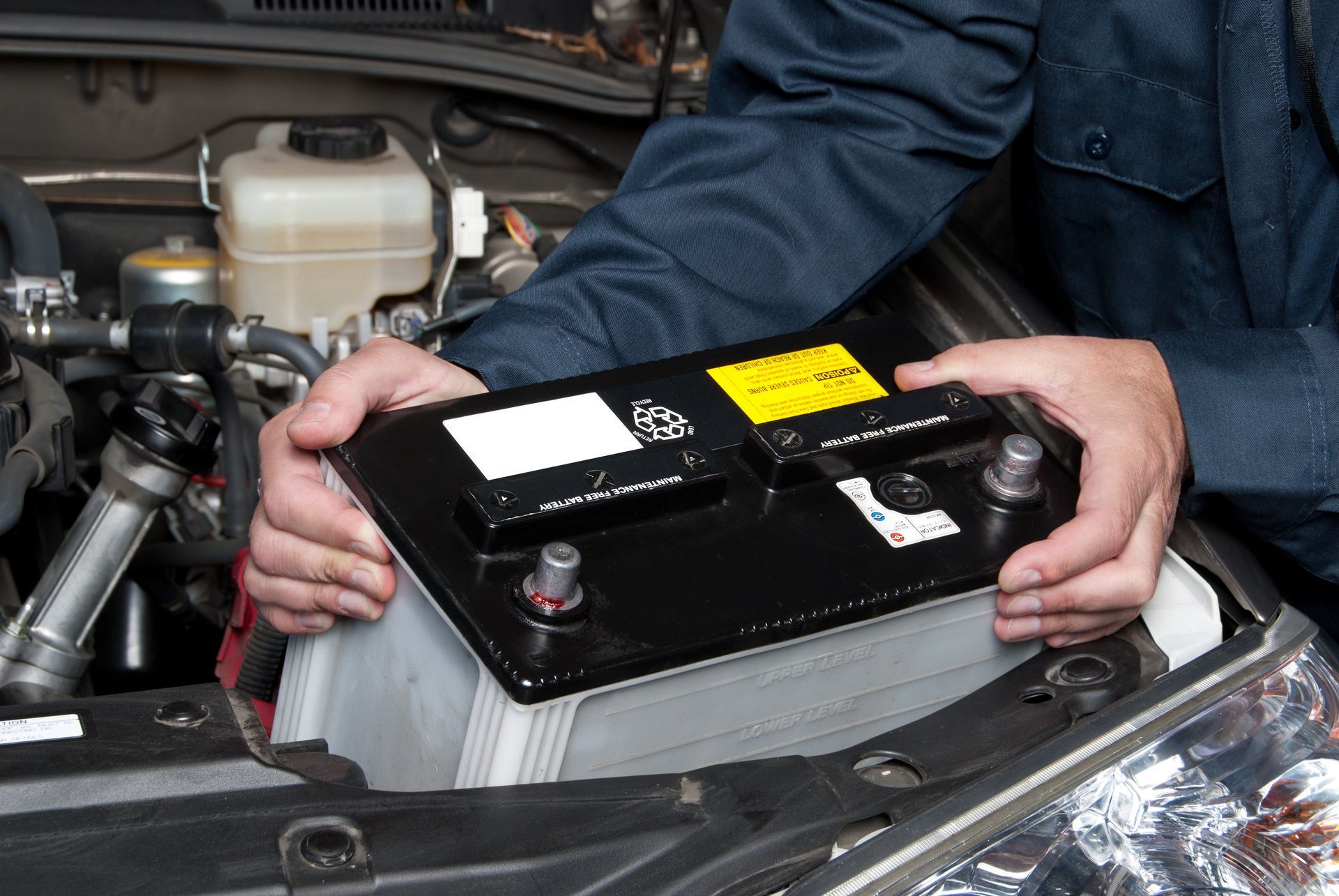
It’s also worth checking other time-sensitive items like battery health and tire condition, because sitting affects those too. But oil is usually the easiest win, because it’s relatively inexpensive compared to engine repairs.
Get Oil Change Service in Georgetown, KY, with Top Gun Auto Repair
If your vehicle sits a lot or you’re not sure whether time has aged your oil, we can check your maintenance schedule, look at your driving pattern, and recommend the right interval for your engine. We’ll get the oil and filter changed with the correct spec, and we’ll help you stay on a plan that protects your engine long-term.
Schedule oil change service in Georgetown, KY, with
Top Gun Auto Repair, and let’s keep your vehicle in good shape even when it doesn’t see many miles.