A long repair estimate can feel overwhelming when the total exceeds what you can spend right away. The good news is that not every recommendation needs to be completed during the same visit. A clear repair plan can separate urgent safety concerns from work that protects major components and services that can be scheduled later.
The key is understanding the risk connected to each item. A professional shop should explain what has failed, how severe the condition is, what could happen if you wait, and whether delaying one repair will increase the cost of another.
Handle Immediate Safety Concerns First
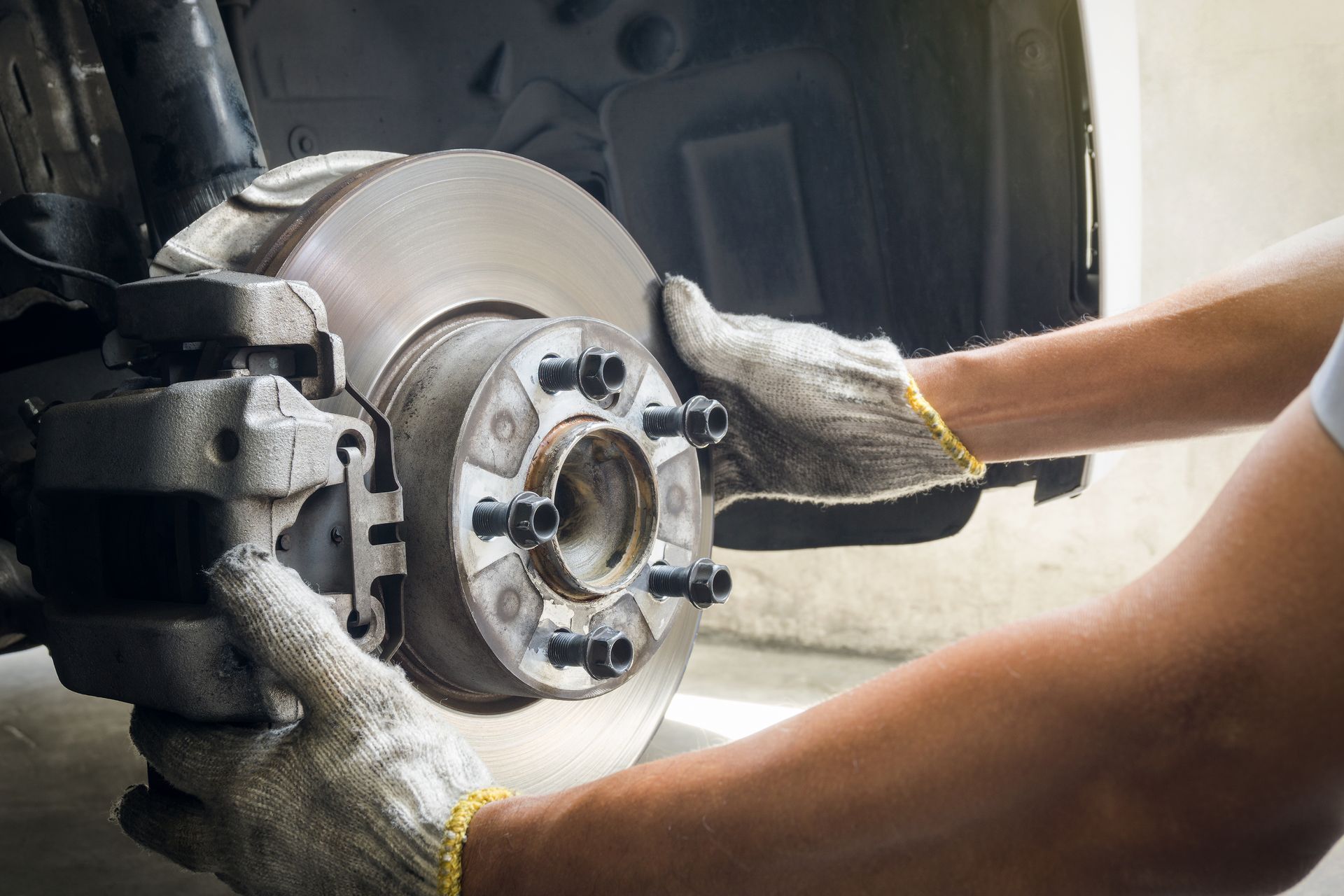
Repairs affecting your ability to steer, stop, or keep the tires securely connected to the vehicle should receive the highest priority. These problems can reduce control without providing much additional warning.
Urgent safety concerns may include:
- Damaged or severely worn tires
- Brake fluid leaks
- Loose steering components
- Broken suspension parts
- Wheel bearings with excessive movement
- Brake pads worn to a dangerous level
- Exterior lights needed for safe driving
- Wipers that cannot clear the windshield
The severity of each condition should be supported by measurements or visible findings. For example, knowing the remaining brake pad thickness is more useful than being told the brakes look low. Tire tread depth, fluid leakage, and movement in steering joints can also be demonstrated clearly.
Prevent Overheating and Loss of Lubrication
The next priority is usually any problem that can quickly damage the engine, transmission, or drivetrain. An active coolant leak, low oil level, oil-pressure warning, overheating condition, or severe transmission fluid leak can lead to repairs costing far more than the original concern.
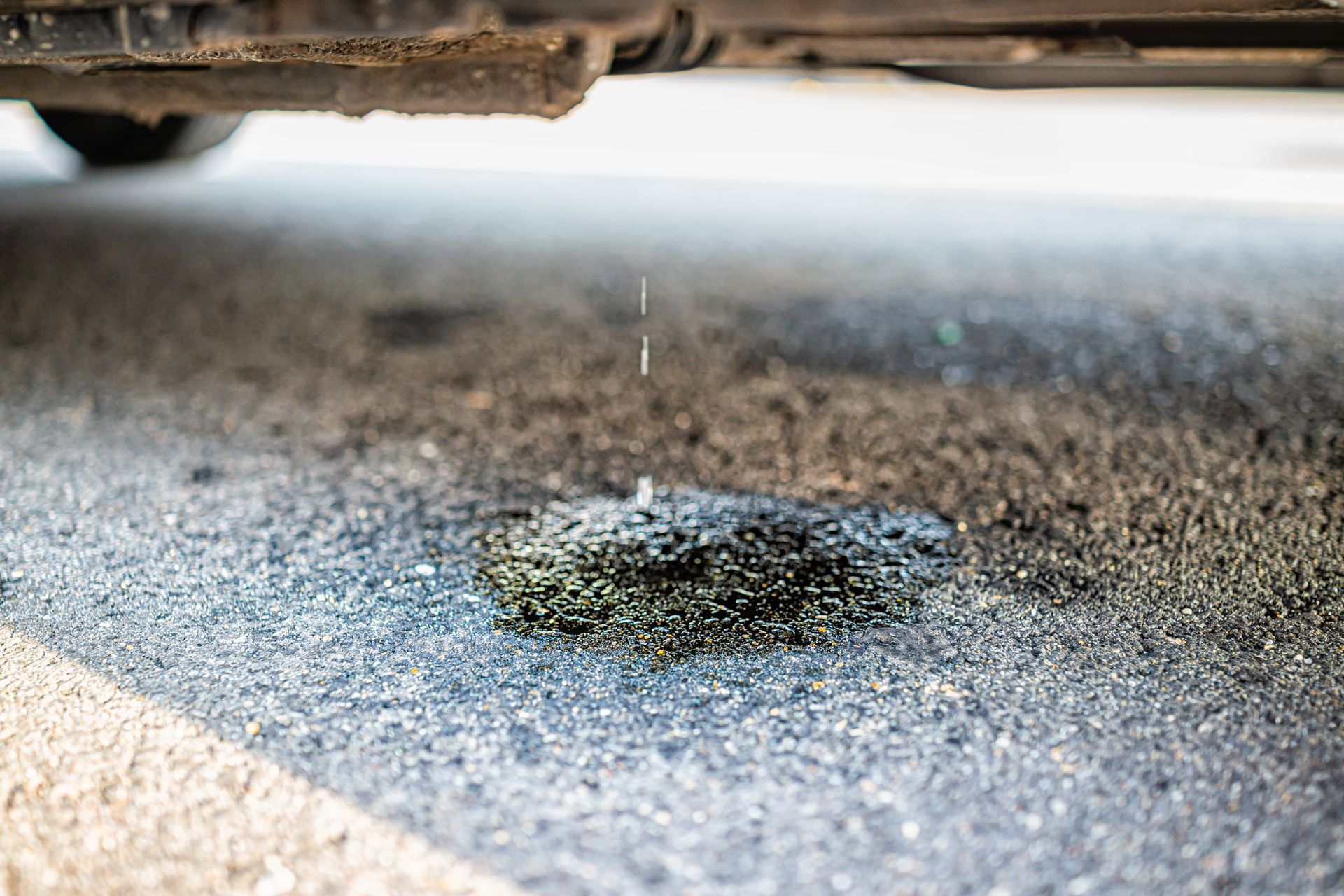
Small leaks are not all equally urgent. Light seepage around a gasket may allow time for planning, while fluid dripping onto the ground or reaching a hot exhaust component requires faster attention. The current level, leak rate, affected components, and warning signs determine the appropriate response.
Ask whether the vehicle can be driven safely, how often the fluid should be checked, and which symptoms mean you should stop. Never continue driving with an oil-pressure warning or rising engine temperature in an effort to reach the next service interval.
Address Problems That Can Damage Other Parts
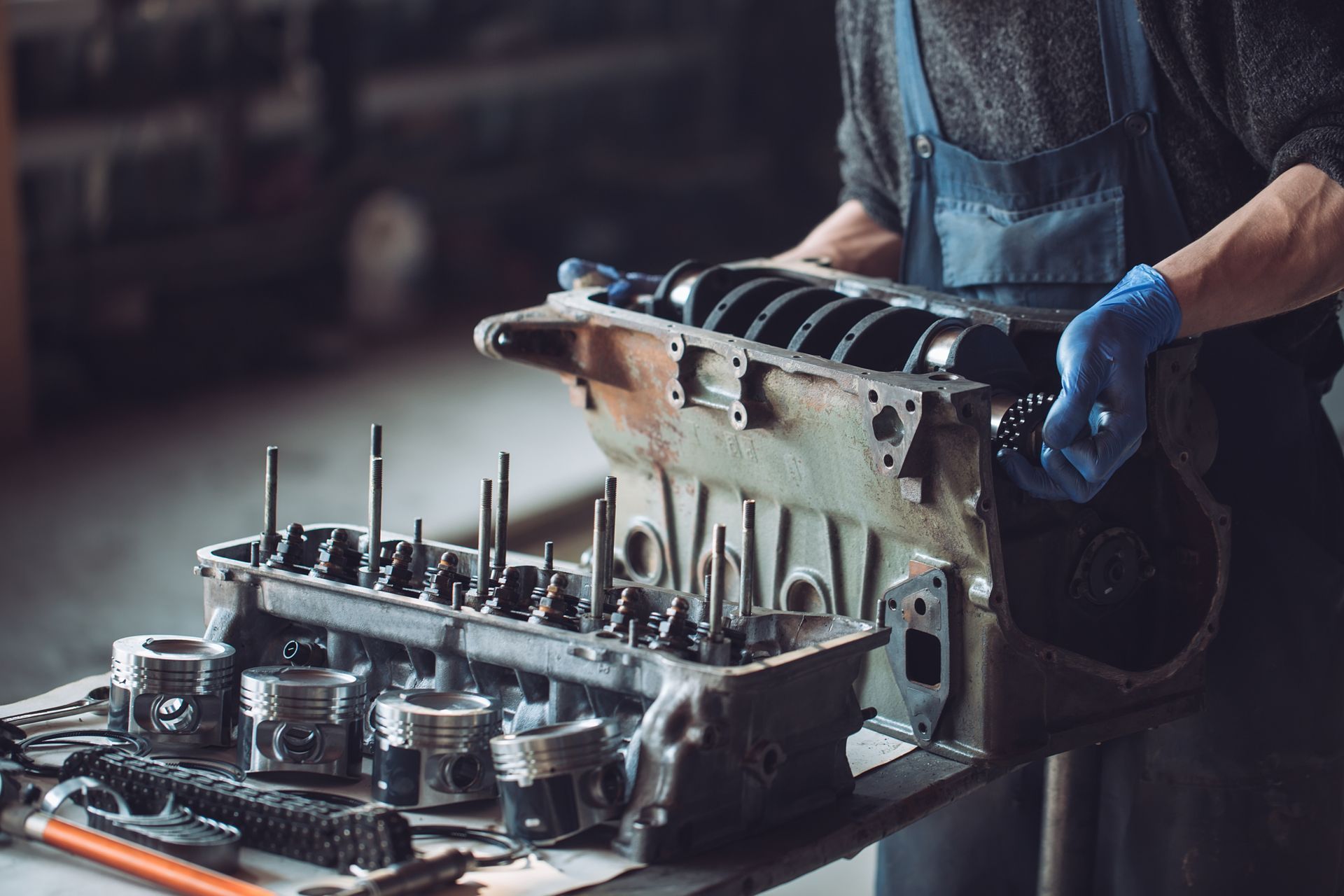
Some repairs are not immediate safety emergencies, but postponing them can increase the final bill. A torn CV axle boot may be inexpensive to address before dirt damages the joint. A leaking valve cover can contaminate a drive belt, alternator, ignition components, or rubber mounts.
Other examples include:
- A weak tensioner damaging the drive belt
- A sticking brake caliper overheating the rotor
- A coolant leak damaging electrical connectors
- Worn shocks causing uneven tire wear
- A misfire overheating the catalytic converter
- A failed engine mount stressing hoses and wiring
Ask the shop to explain whether the recommended repair is isolated or likely to affect another system. Completing one strategic repair now may prevent several related replacements later.
Separate Current Repairs From Preventive Services
A repair corrects an existing fault, while preventive service reduces future wear or replaces a product that has reached its scheduled interval. Both are important, but they may carry different priorities when funds are limited.
An active brake problem usually takes priority over a cabin air filter. An overheating concern should be corrected before a routine transmission service. However, overdue timing belt replacement may remain urgent even when the engine currently runs normally because failure can cause severe internal damage.
Regular maintenance should not be dismissed automatically. Engine oil, coolant, brake fluid, filters, spark plugs, and drivetrain lubricants protect expensive systems. Ask which services are overdue according to the factory schedule and which recommendations are based only on condition.
Request a Tiered Repair Plan
A useful estimate should organize recommendations by urgency instead of presenting every item as equally immediate. Ask the service advisor to divide the work into clear stages.
A practical repair plan may use categories such as:
- Repair now for safety
- Repair soon to prevent additional damage
- Schedule within the next few months
- Monitor during future visits
- Complete at the next service interval
Each category should include a reason and a suggested timeline. Repair soon is more useful when the shop explains whether that means within two weeks, before a long trip, or within the next few thousand miles.
A written inspection report with photographs and measurements can help you track deferred work. Keep that document with your service records so the condition can be checked again without starting from the beginning.
Discuss Parts and Repair Options
Some repairs offer choices in parts, labor scope, or timing. Depending on the vehicle and component, the shop may be able to quote original equipment, premium aftermarket, or remanufactured parts. The least expensive option should still meet the vehicle’s requirements and include dependable warranty coverage.
You may also be able to combine related work. If two repairs require removal of the same components, completing them together may reduce duplicate labor. In other cases, separating the work makes more financial sense because the second component still has substantial service life.
Ask whether the repair can be completed in stages without compromising safety or creating repeat labor. A responsible technician will explain where flexibility exists and where cutting the scope would leave the vehicle unreliable.
Build a Realistic Timeline
Once the priorities are clear, assign each repair to a time frame that fits your budget. Begin with safety and active damage, then work through reliability concerns and overdue services.
Review the plan before major seasonal changes, long trips, towing, or heavy vehicle use. A cooling system concern may become more urgent before summer, while weak tires and a marginal battery deserve attention before winter travel.
Return for rechecks when recommended. A minor condition can remain stable for months, but it can also progress between visits. New noises, warning lights, leaks, vibrations, steering changes, or braking concerns should move the vehicle back to the top of the schedule.
Prioritize Auto Repairs in Georgetown, KY, With Top Gun Auto Repair
Top Gun Auto Repair can evaluate your vehicle, explain each recommendation, and organize repairs according to safety, potential damage, reliability, and budget.