Catching a hot, burnt smell after driving is never a good feeling, especially if it seems to come from underneath the car. When that odor is coming from the transmission area, it usually means fluid is getting too hot or is leaking onto something it should not touch. The vehicle might still drive, but that smell is a warning that something is stressing the transmission more than it can handle.
Why a Burning Transmission Smell Is a Big Deal
Automatic and CVT transmissions depend on fluid for lubrication, cooling, and hydraulic pressure. When that fluid overheats, it loses its protective qualities and starts breaking down. If this goes on for long, internal clutches and bands can slip and wear, which turns into expensive internal damage.
A one-time light smell after a hard pull or steep hill might not mean disaster, but a strong, burnt odor that keeps coming back needs attention. Treat it like an early warning instead of something you can ignore until the next service.
What Burnt Transmission Fluid Looks and Smells Like
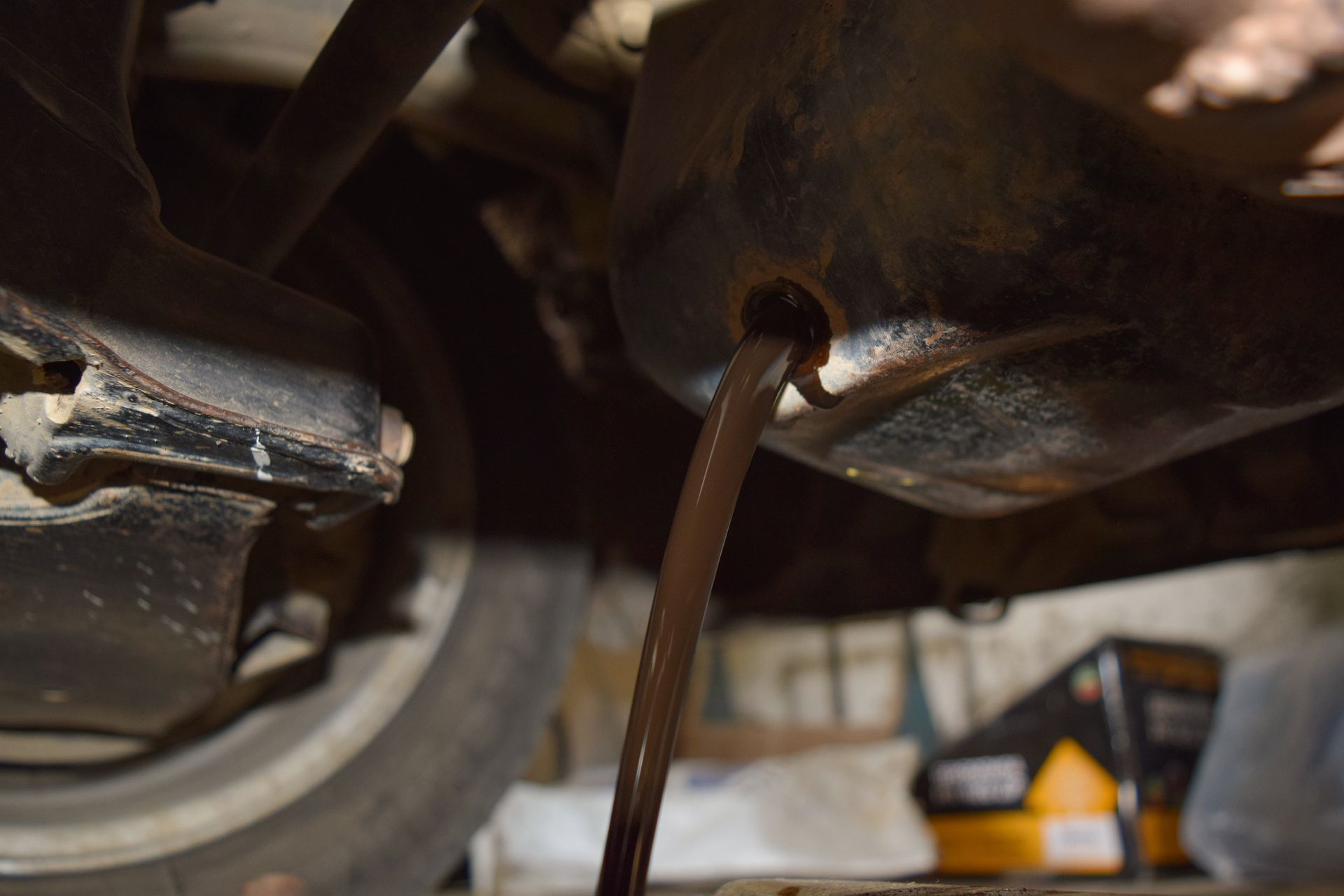
Healthy transmission fluid usually has a clear red or pink color and a fairly mild, slightly sweet or oily smell. As it ages, it can darken a bit, but it should still look relatively clean and not have a harsh odor. Burnt fluid, on the other hand, turns brown or even dark, with a sharp, bitter smell that is hard to miss.
If you know where the transmission dipstick is on your vehicle, or if it has a check procedure through a fill plug, you can sometimes get a sense of its condition. Any sign of a very dark color, burnt smell, or visible debris in the fluid is a clue that the transmission has been running hotter than it should. That is the point where a professional inspection makes sense before things get worse.
Common Reasons a Transmission Overheats
Transmissions usually do not overheat for no reason. Something in the way the vehicle is used, or in the system itself, is adding extra stress. Some of the most common causes are:
- Low fluid level from a leak at cooler lines, seals, or the pan
- Towing or hauling more weight than the vehicle was designed for
- Stop-and-go driving on very hot days, especially if the fluid is already old
- A partially clogged transmission cooler or radiator section
- Internal slipping from worn clutches, bands, or a failing torque converter
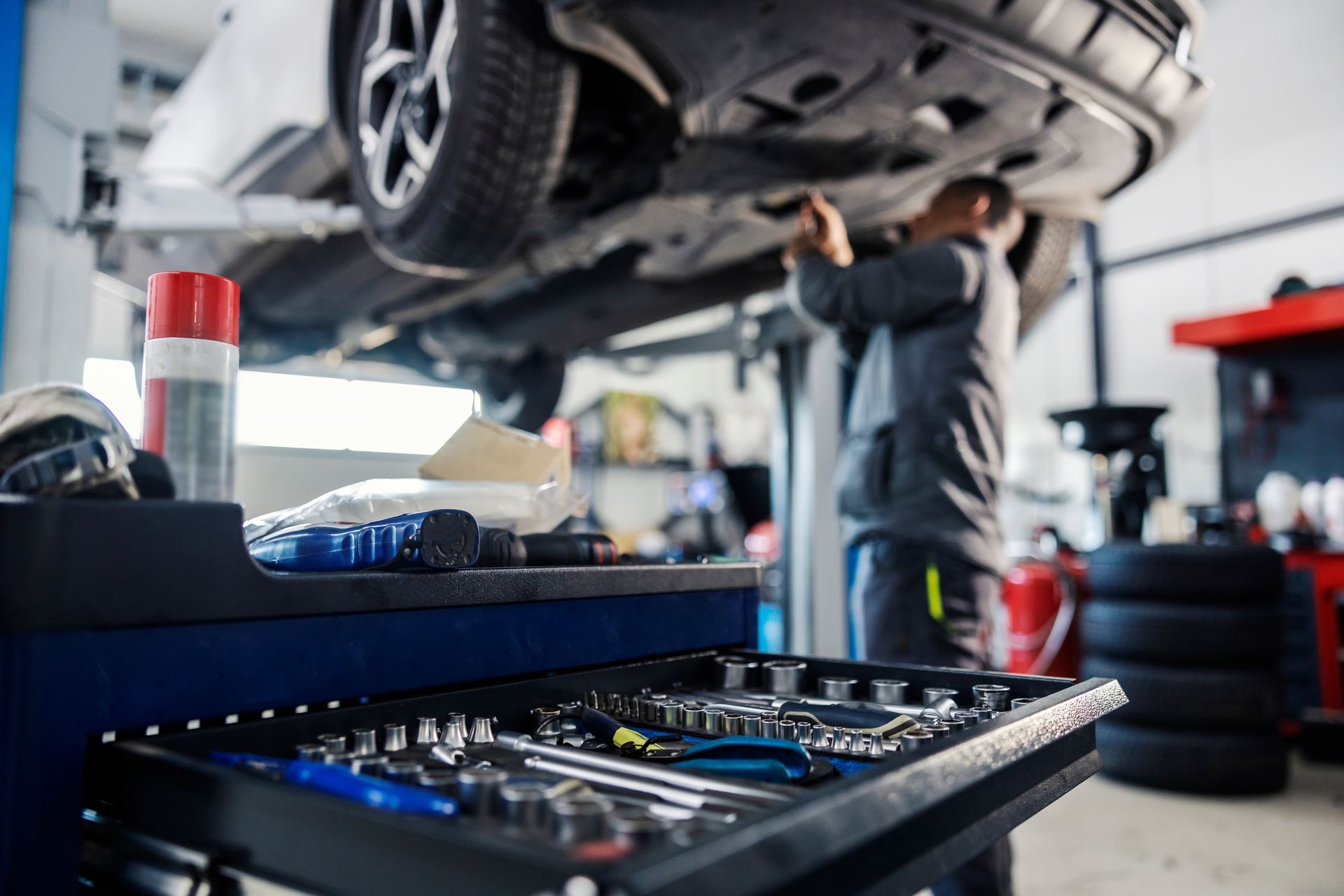
In some cases, fluid can leak onto the exhaust or other hot parts and burn externally, which also creates a strong smell. That kind of leak can usually be spotted on a lift, where the underside of the vehicle can be seen clearly.
Other Symptoms That Often Come with a Burning Smell
A burning smell alone is important, but it often shows up alongside other small changes in the way the vehicle drives. Things to watch for include:
- Delayed engagement when shifting from Park into Drive or Reverse
- Engine revving higher than normal before the vehicle starts to move
- Harsh, jerky gear changes or slipping between gears
- A vibration or shudder at certain speeds or during light acceleration
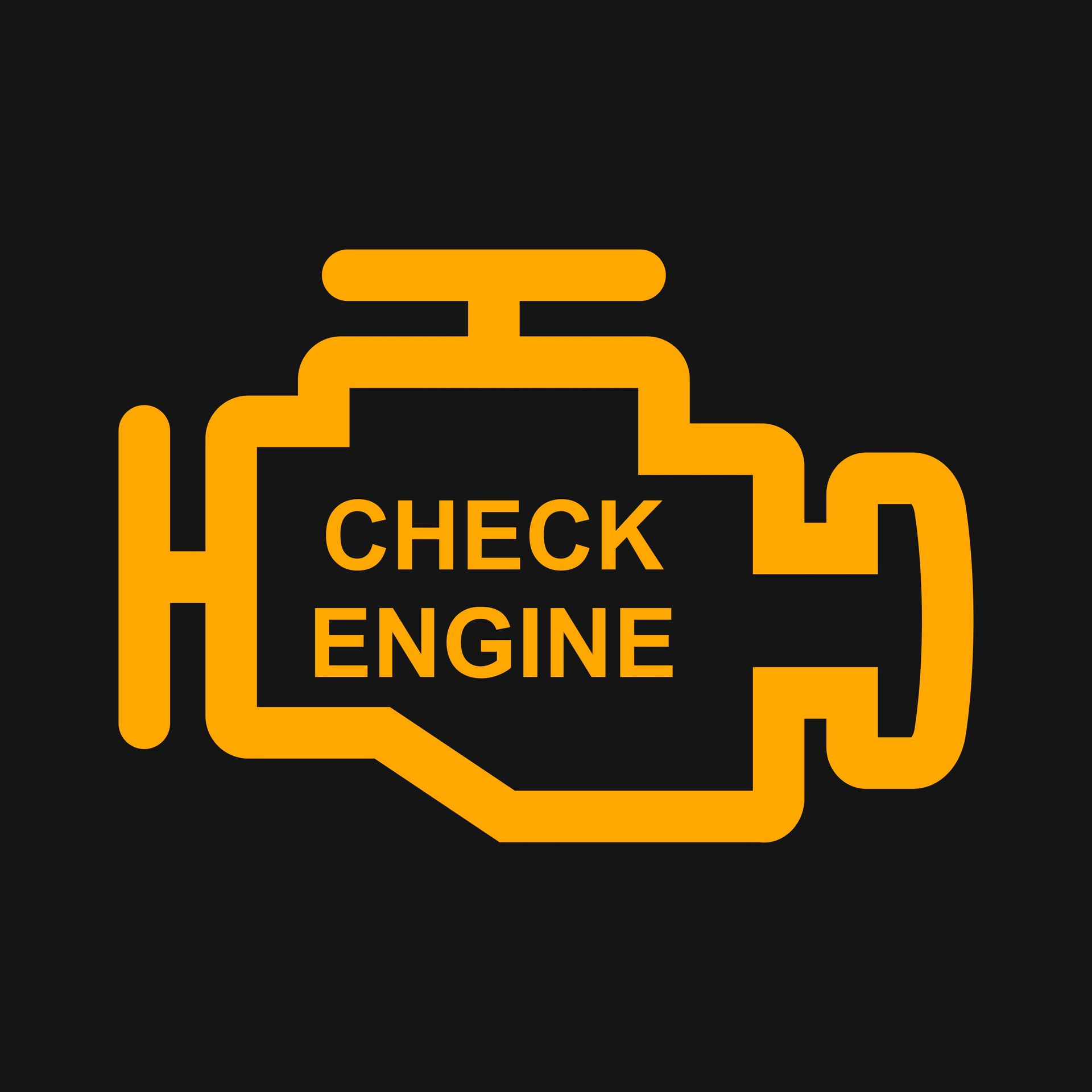
- Warning lights or transmission temperature messages on the dash
If you notice one or more of these along with that hot, burnt odor, it raises the urgency. The transmission is telling you it is working harder than it should just to do normal driving.
What You Should Do If You Notice That Smell
The safest move is to ease up on the load right away. If you are towing or climbing a long hill, try to back off the throttle and find a safe place to stop and let things cool. Continuing to push a transmission that already smells burnt is a quick way to turn a minor problem into a major one.
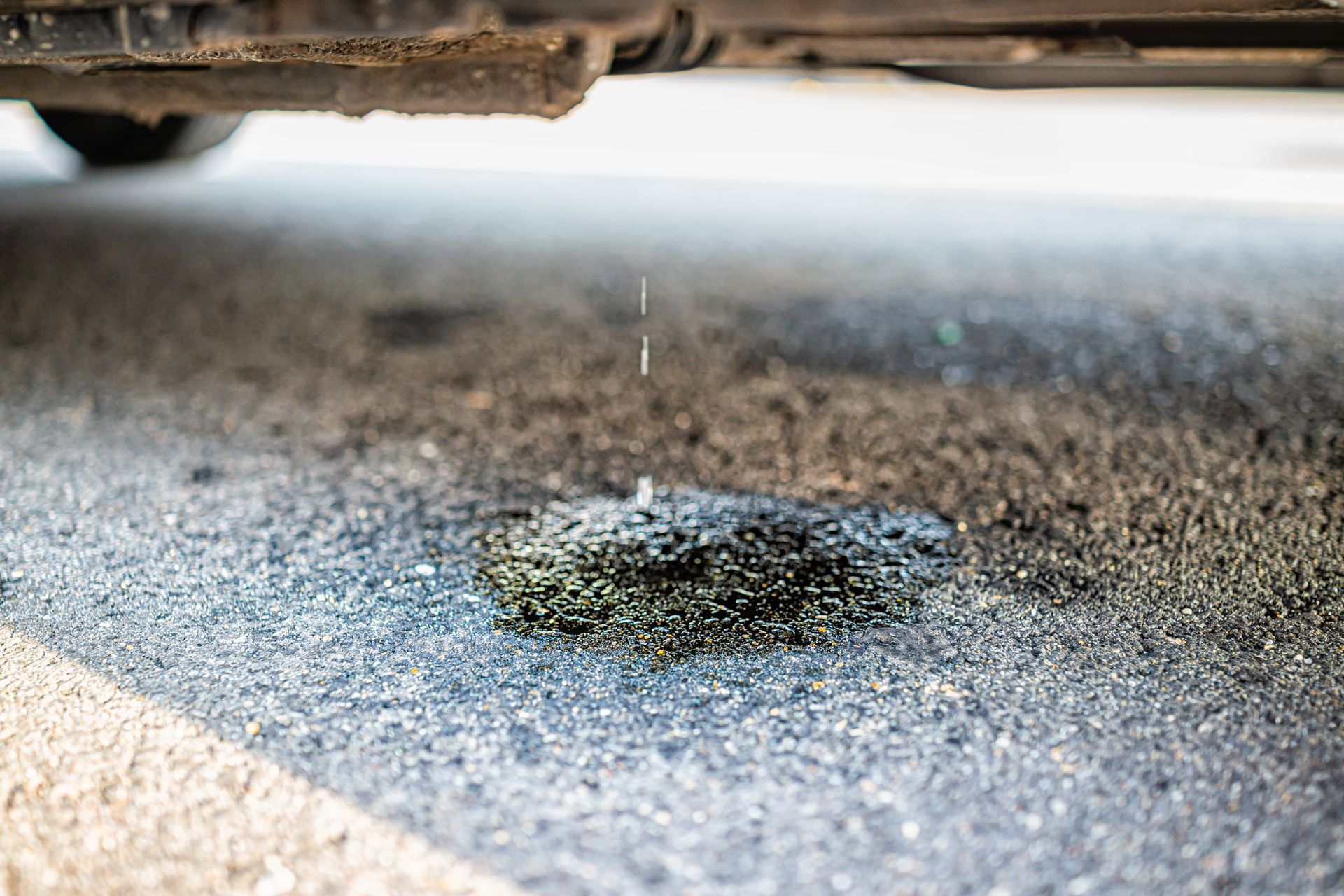
Once you are somewhere safe, it is worth checking for visible fluid drips on the ground and watching for new warning lights. Avoid repeated hard accelerations or long highway runs until the cause is checked out. Driving gently to a shop is often fine if the transmission still shifts reasonably well, but if it is slipping badly or the smell is very strong, having it towed may save the internals.
How Technicians Track Down a Burning Transmission Smell
A proper inspection starts with a road test to feel for any slipping, delayed shifts, or harsh engagement. Then, with the vehicle on a lift, a technician will look for leaks at cooler lines, the pan gasket, axle seals, and around the bellhousing. The condition and level of the fluid are checked carefully, sometimes with a specific temperature and procedure for that transmission.
If the fluid is burnt, further tests might include checking line pressure, scanning the transmission control module for stored codes, and inspecting the cooler circuit for restrictions. The goal is to separate something simple, like a leaking line or overdue fluid change, from deeper internal wear that needs more involved repair. Getting that diagnosis early gives you more options and a better chance of preventing a complete failure.
Get Help for a Burning Transmission Smell in Georgetown, KY with Top Gun Auto Repair
We diagnose transmission problems daily and know how to tell the difference between mild fluid stress and serious internal damage. We can inspect for leaks, check fluid condition, and test operation, so you know exactly what is causing that burnt smell.
Call
Top Gun Auto Repair in Georgetown, KY, to schedule a transmission inspection before a small issue turns into a major repair.